 is here! Shop now, pay later in 4 easy installments


Understanding Non-Surgical Approaches to ACL Injuries and Emerging Areas of Research
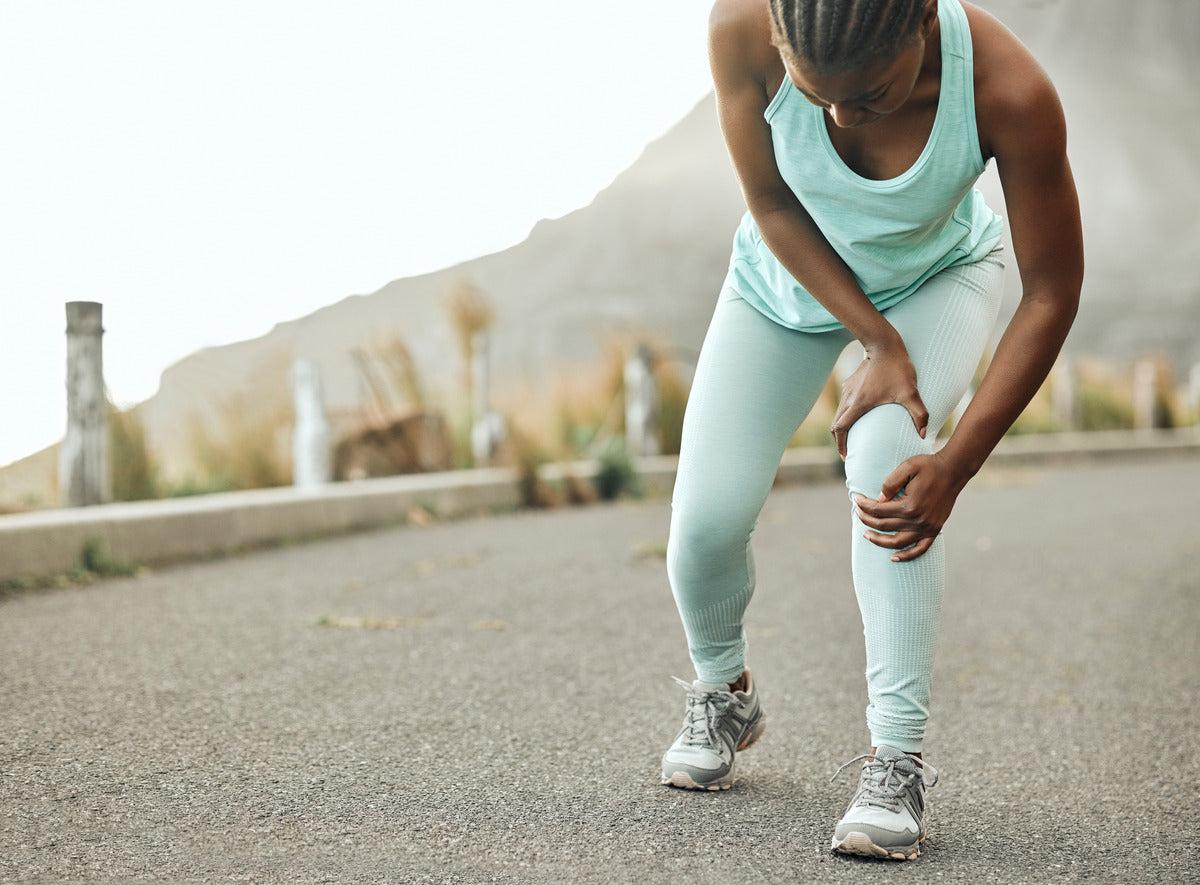
Anterior Cruciate Ligament (ACL) injuries are commonly discussed in sports and active-lifestyle contexts due to their impact on knee stability and movement. While surgical reconstruction is one management pathway, not all ACL injuries are approached surgically. In some cases, conservative management and rehabilitation are explored under professional supervision. Alongside established rehabilitation methods, there is growing academic interest in regenerative science and biological research, including the study of amino acids, within controlled clinical and research environments.
This article provides general, educational information about non-surgical ACL management and emerging areas of scientific discussion. It is not intended as medical advice.
How ACL Injuries May Be Managed Without Surgery

ACL injuries are commonly classified by severity: Grade 1: Mild stretching of the ligament; Grade 2: Partial disruption of ligament fibres; Grade 3: Complete rupture.
For some Grade 1 and Grade 2 injuries, non-surgical management may be considered by qualified health professionals based on individual assessment, activity demands, and overall knee stability.
Common conservative approaches discussed in clinical and rehabilitation settings include:
Rehabilitation and Physiotherapy
Structured physiotherapy programs focus on restoring movement patterns, strength, and neuromuscular control of the knee. These programs are tailored and progressed over time under professional supervision.
Activity Modification and Bracing
Temporary activity modification may be recommended to reduce stress on the knee during recovery phases. In some cases, knee bracing is used to support joint stability during daily movement or rehabilitation exercises.
Research Interest in Regenerative Science
In academic and clinical research contexts, regenerative science explores how the body maintains and repairs tissues. This area includes investigation into cellular processes, structural proteins, and biological signalling, primarily within regulated research or clinical settings.
Commonly Discussed Rehabilitation Exercises (General Overview)
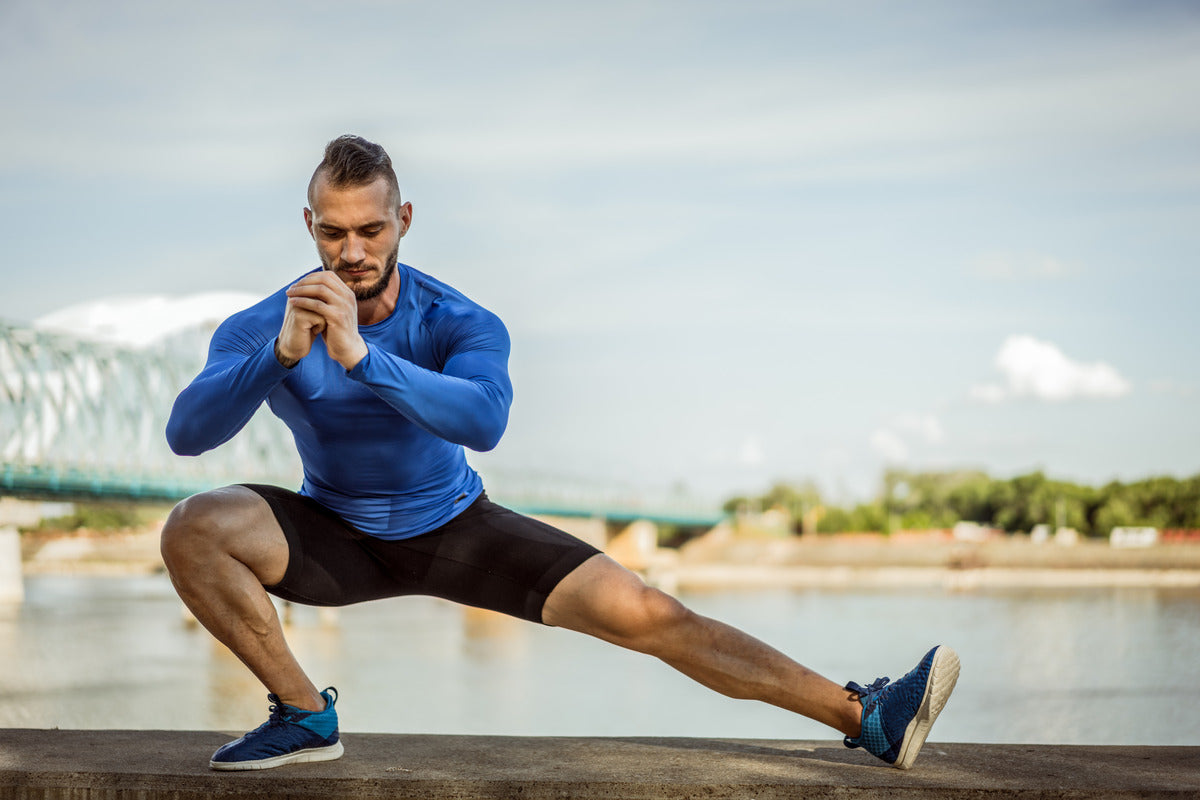
Rehabilitation programs are designed and supervised by qualified practitioners. Exercises commonly referenced in educational materials about knee rehabilitation include:
-
Quadriceps activation exercises to support knee extension
-
Controlled knee bending movements to maintain joint mobility
-
Straight-leg strengthening movements to engage supporting muscles
-
Hamstring-focused exercises to assist balanced knee support
-
Step-based movements that simulate everyday functional activity
The suitability, timing, and progression of any exercise depend on individual assessment and should be guided by a healthcare professional.

Amino Acids in Educational and Research Discussions
What Are Amino Acids?
Amino acids are organic compounds that serve as the building blocks of proteins. Proteins are fundamental to normal body structure and function and are obtained through dietary intake. Amino acids are widely studied in biology, nutrition, and physiology.
In research and educational contexts, amino acids may be discussed in relation to protein synthesis, tissue structure, and general biological processes. These discussions are typically high-level and non-interventional in nature.
How Amino Acids Are Referenced in Active-Lifestyle Education
General Tissue Biology
Amino acids are essential to the formation and maintenance of structural proteins found throughout the body. Their role is commonly described within broader discussions of normal physiology and nutrition.
Physical Comfort and Movement
In wellness education, amino acids may be referenced as part of general conversations about maintaining healthy movement and physical comfort when combined with appropriate rest, rehabilitation, and lifestyle practices.
Mobility and Function
Educational materials sometimes include amino acids within broader frameworks discussing movement, flexibility, and musculoskeletal health, without attributing specific outcomes or effects.
Context, Oversight, and Individual Considerations
Professional and Clinical Context
Advanced biological compounds, are discussed within scientific, medical, and research environments. Any clinical application occurs within regulated healthcare settings and under professional oversight.
Individual Variation
Human biology varies significantly between individuals. Responses to rehabilitation strategies, nutritional approaches, or lifestyle changes differ based on many factors, including injury characteristics, overall health, and professional guidance.
Informed Decision-Making
Education and evidence-based discussion are essential when exploring any aspect of health or recovery. Personalised decisions should always be made in consultation with appropriately qualified healthcare professionals.
In Conclusion: Non-Surgical Perspectives on ACL Injuries
ACL injuries can vary widely in severity and impact. In some cases, non-surgical management may be explored as part of a structured rehabilitation approach guided by healthcare professionals. Alongside established rehabilitation practices, scientific research continues to investigate the biological processes involved in tissue structure and recovery.
Understanding these topics from an educational perspective can support informed conversations with qualified practitioners and contribute to broader awareness of musculoskeletal health.
Most Popular