 is here! Shop now, pay later in 4 easy installments


Understanding Body Composition and Training Adaptation
Questions about weight management and muscle development are common in fitness discussions. While online content often highlights advanced biological compounds as shortcuts, it’s important to separate general education from promotion or advice.
This article provides a high-level overview of how muscle tissue adapts to training, the role of hormones in human physiology, and why foundational lifestyle factors remain central in both recreational and clinical contexts.
The focus here is on education only, framed within current research discussions and established exercise science principles.

Muscle Development: A Biological Overview
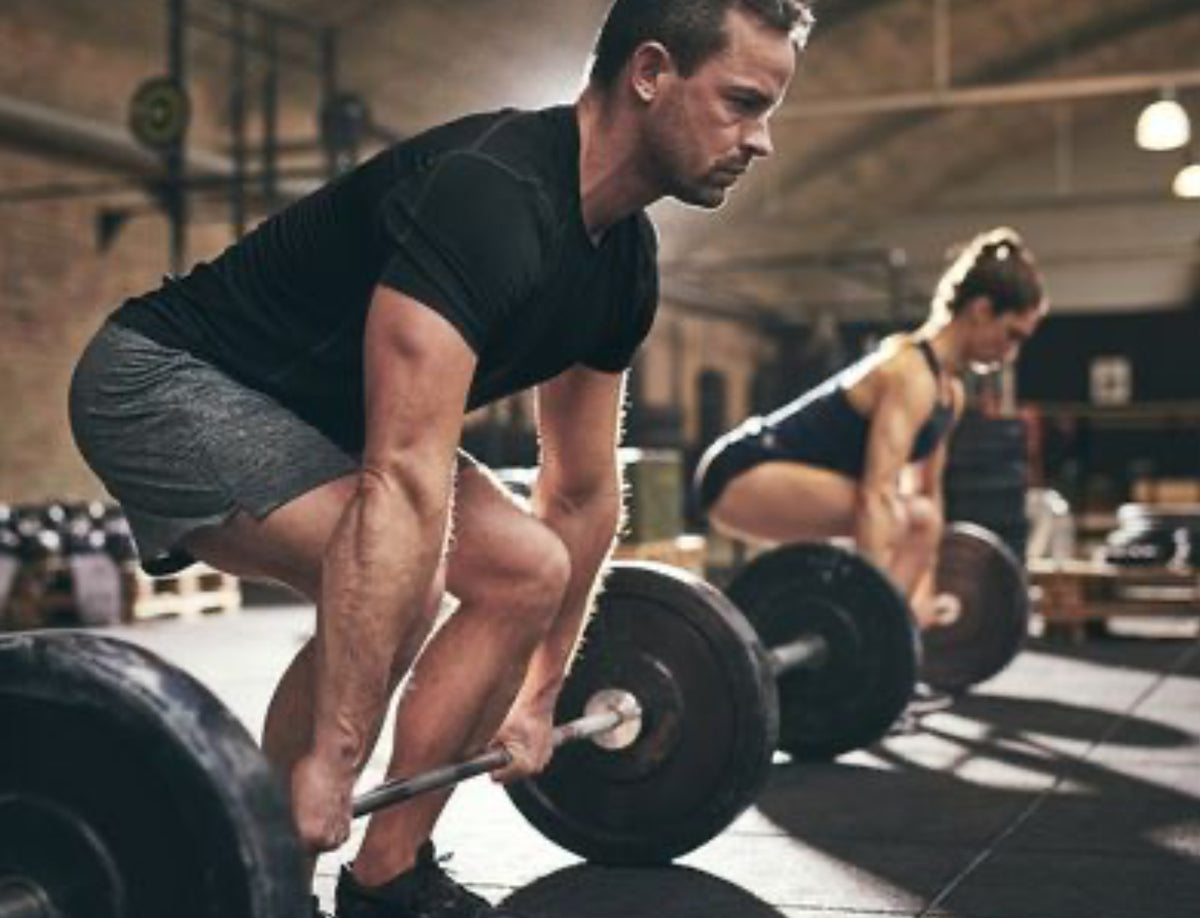
Muscle tissue adapts over time in response to mechanical load, nutrition, and recovery. Resistance training creates microscopic stress within muscle fibres, which the body responds to through repair and adaptation processes. These processes are influenced by many variables, including:
- Training volume and intensity
- Adequate energy and protein intake
- Sleep and recovery quality
- Individual genetics and age
Hormonal signalling plays a regulatory role in these processes, but it is only one component within a complex physiological system.

Signalling in Research and Clinical Contexts
Certain biologically active compounds are studied in laboratory and clinical environments for their role in signalling pathways. Some are investigated for how they interact with growth-related or reproductive hormones under tightly controlled medical supervision.
Examples frequently referenced in scientific literature include compounds studied for their interaction with growth hormone pathways, as well as prescription-only hormones used in specific medical contexts. These substances are not nutritional supplements and are not considered general wellness products.
Outside of clinical settings, their safety, appropriateness, and long-term effects are not fully established for the general population.
Prescription-Only Hormones and Medical Oversight
Some hormones discussed in fitness circles are approved for limited medical indications and are only accessible through a qualified medical practitioner. In clinical care, they may be used to address diagnosed hormonal conditions under strict supervision.
These therapies are not designed for cosmetic or performance-related purposes and should not be viewed as tools for physique enhancement. Their use, dosing, and monitoring are determined by healthcare professionals based on individual medical need.
The Role of Foundational Lifestyle Factors
Regardless of emerging research, the fundamentals of physical conditioning remain consistent:
- Structured resistance and cardiovascular training
- Balanced nutrition aligned with energy needs
- Adequate sleep and stress management
- Long-term consistency rather than short-term intensity
These factors are well-supported by decades of research and form the basis of sustainable improvements in strength, endurance, and overall health.
No isolated compound can replace these foundations.
A Balanced Perspective on Emerging Science
Ongoing scientific research continues to explore how the human body regulates growth, recovery, and metabolism. While these studies contribute to medical knowledge, translating early or specialised research into general fitness advice is not appropriate.
Public discussions should remain cautious, evidence-based, and free from promises or implied outcomes.
Conclusion
Muscle development and body composition are the result of complex, interconnected biological processes supported by training, nutrition, recovery, and time. While hormonal pathways are an area of scientific interest, they do not override the importance of foundational lifestyle factors.
Educational content is most valuable when it helps readers understand the broader context without encouraging self-experimentation or unrealistic expectations.
General Information Disclaimer
This article is intended for general educational purposes only. It does not provide medical, health, or fitness advice and should not be used as a substitute for guidance from a qualified healthcare professional.